

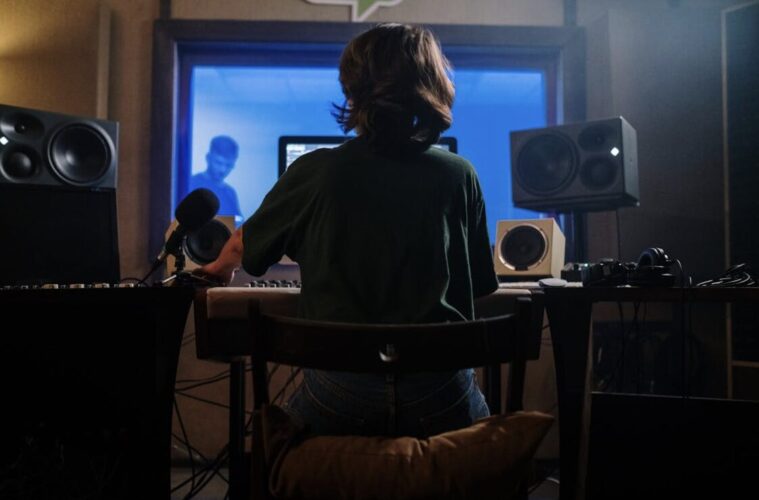
Are you destined to become the next successful music producer?
You don’t want to be someone who just makes beats in their bedroom. You actually want to be successful. The kind of success where people listen to your music on purpose, artists reply to your messages, and your hard drive isn’t 90% unfinished ideas.
Becoming a successful producer isn’t about luck, and it’s not about owning absurdly its expensive music gear either. You need to be skillful, and you need to be consistent in your music, and you need to learn how the music world actually works. The bad news is that it does take time to get there. Let’s get into how you can become the next big thing.
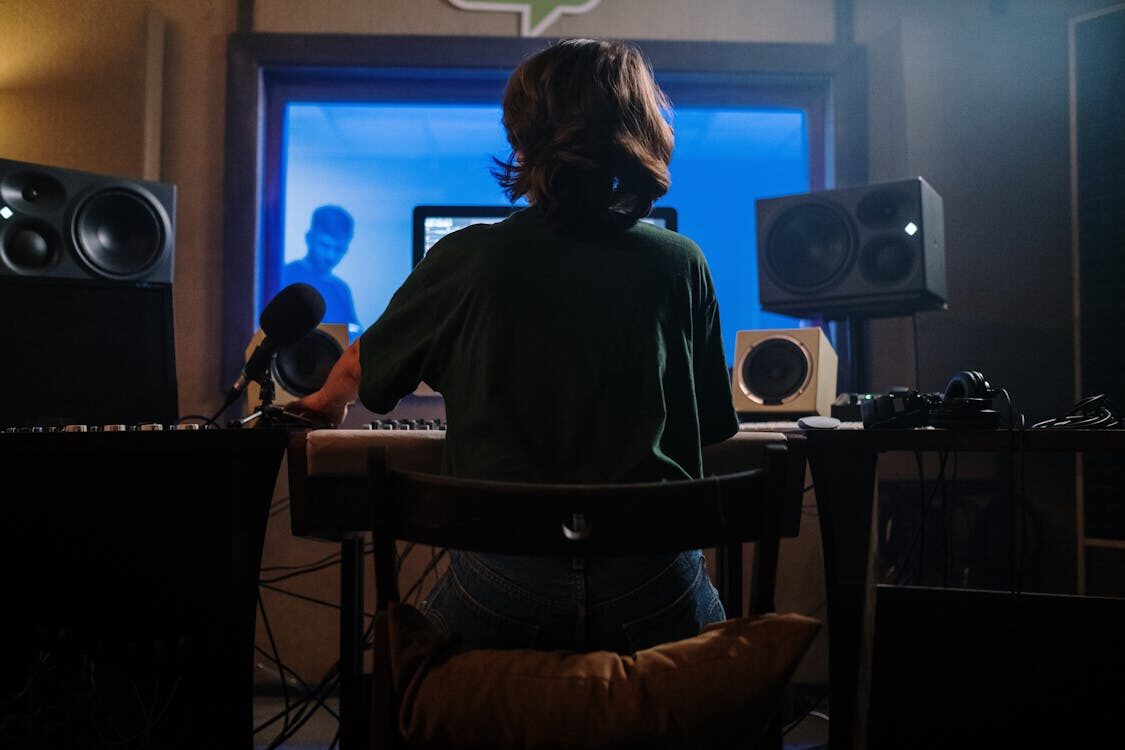
Learn the craft and learn it properly.
Before you do anything else, you need to get good at producing music. That means understanding rhythm, melody, harmony, and song structure, not just dragging loops until something happens. You don’t necessarily need a formal education, but you do need practice, and getting good at producing music takes a lot of practice. Finish your tracks even when they’re bad. Especially when they’re bad, because every finished song is going to teach you more than 10 perfect 8 bar loops.
Pick a DAW and commit.
Jumping between Daws is not going to make you better, it’s just going to make you confused. Pick one and stick with it. Learn the shortcut to learn the workflow. Learn how to fix mistakes quickly instead of panicking and Googling everything. Mastery of your tools saves you time, and time is creative energy.
Develop your sound, but don’t force it.
Every producer out there wants to have a signature sound, but ironically, trying to Force One usually results in generic tracks. Your sound is going to divert naturally. When you make a lot of music, you copy the artists that you love and you slowly mix your influences into something personal. Yes, we did say copy the artist that you love. It doesn’t mean you’re going to plagiarise, it just means that you’re going to look at what they’re doing and emulate their effort. Stop worrying about trying to be unique. Focus on being good at what you do because the uniqueness will sneak up on you later.
Understand vocals and artists.
If you want real success, you’ll probably need vocals at some point. Instrumentals are great, but vocals are what connect listeners emotionally. Learn how to produce a vocal, leave some space, support the melody, and don’t fight the singer with unnecessary layers. Some producers collaborate locally with singers, but others use platforms like Voqlr.com early to connect with vocalists when they don’t have the artists nearby or they want to test ideas quickly. It’s a good way to ensure that you can link up with somebody who understands a sound you’re trying to capture.
Learn basic mixing and arrangement.
You don’t have to be a mastering wizard, but you do need to understand levels that feel balanced and compression that controls rather than crushes. You also need to have EQ to clean things up and an arrangement that keeps the track moving. Not boring. If listeners are getting bored before the 2nd chorus, it’s not a marketing issue, but an arrangement issue.
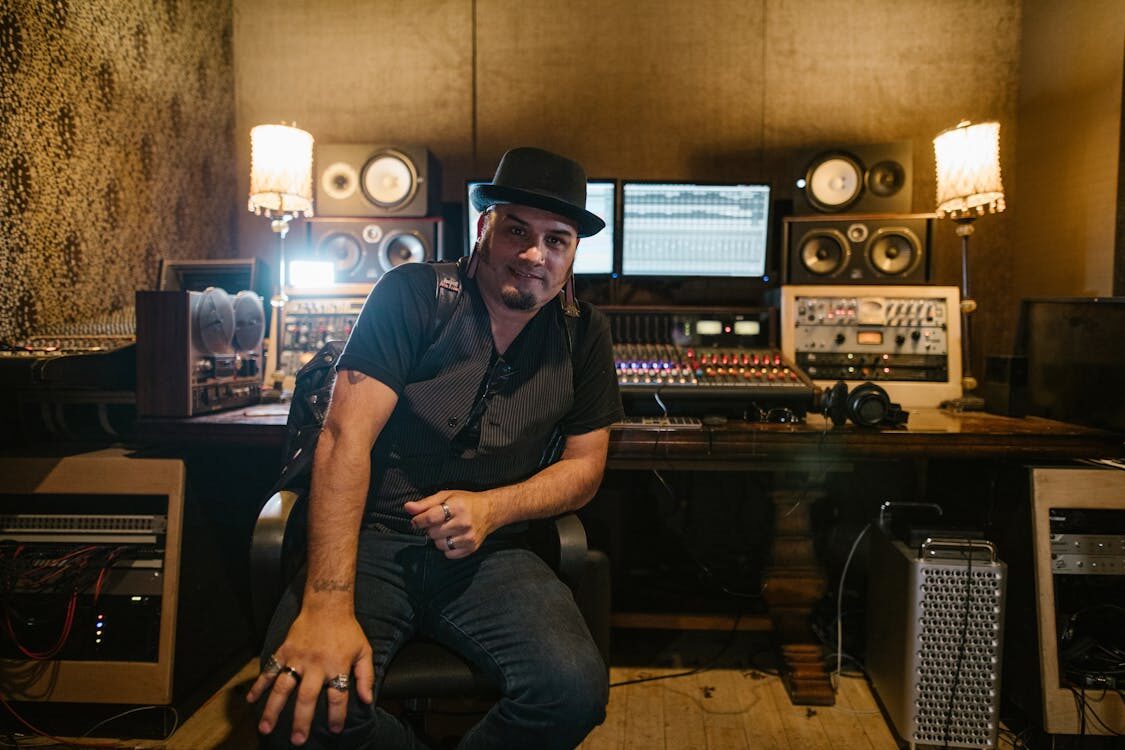
Finish more than you perfect.
Here’s the truth that nobody loves to hear: Success comes from output, not perfection. The producers who grow the fastest are the ones who finish their tracks regularly. So set yourself some deadlines, move on, and let songs exist with flaws. Your next track will always be better than the last one that you obsess over for six months.
Treat it like a business.
Music is art but success is business, so you need to learn the basics. How do royalties work? What does publishing mean? Why do contracts matter? How are credits tracked? You don’t need a lawyer on day one, but understanding the landscape will protect you from bad deals and exposure only opportunities. You want to make sure that you are capitalising on what you can do because your talent deserves to be looked at and seen as something that’s honestly worth paying for.
Build a network that’s real.
Networking is not Dming strangers with the updates to check your next beat, it’s building genuine relationships in time. Commenting on people’s work, collaborating and supporting others without expecting instant returns is how you get there. The music industry is much smaller than it looks, so be professional and kind and don’t be weird about it. Reputation travels fast, both good and bad.
Share your work consistently.
If nobody hears your music, it doesn’t matter how good it is. Release the tracks, post the snippets on socials and share behind the scenes moments where you can. If you can, talk about your process and use YouTube to do it. You don’t need viral fame but you just need to be consistent because if you’re showing up regularly, people will slowly start paying attention. Remember this is about building blocks over time, not having an overnight success.
Developer Thick skin.
Not everybody is going to like your music, and that’s a truth that you’re going to have to acknowledge from day one. Some people will ignore it, some will criticise it. That’s all normal. Not everybody likes the same stuff. We’d all be bored if we did. Feedback is part of growth, but not all opinions deserve your energy. Learn to separate the useful critique from random noise and keep improving as you go.
Comfort is the energy that you’re looking for, but it is also the enemy of progress. Success doesn’t look the same for everybody, because becoming a successful music producer isn’t about that overnight breakthrough. You need to stack your skills, build your relationships, finish your work, and show up when motivation is low. Some days you’ll feel unstoppable and other days you’ll question every decision you’ve ever made, but both are part of this process.